2012
12.11

C O P R A # 2

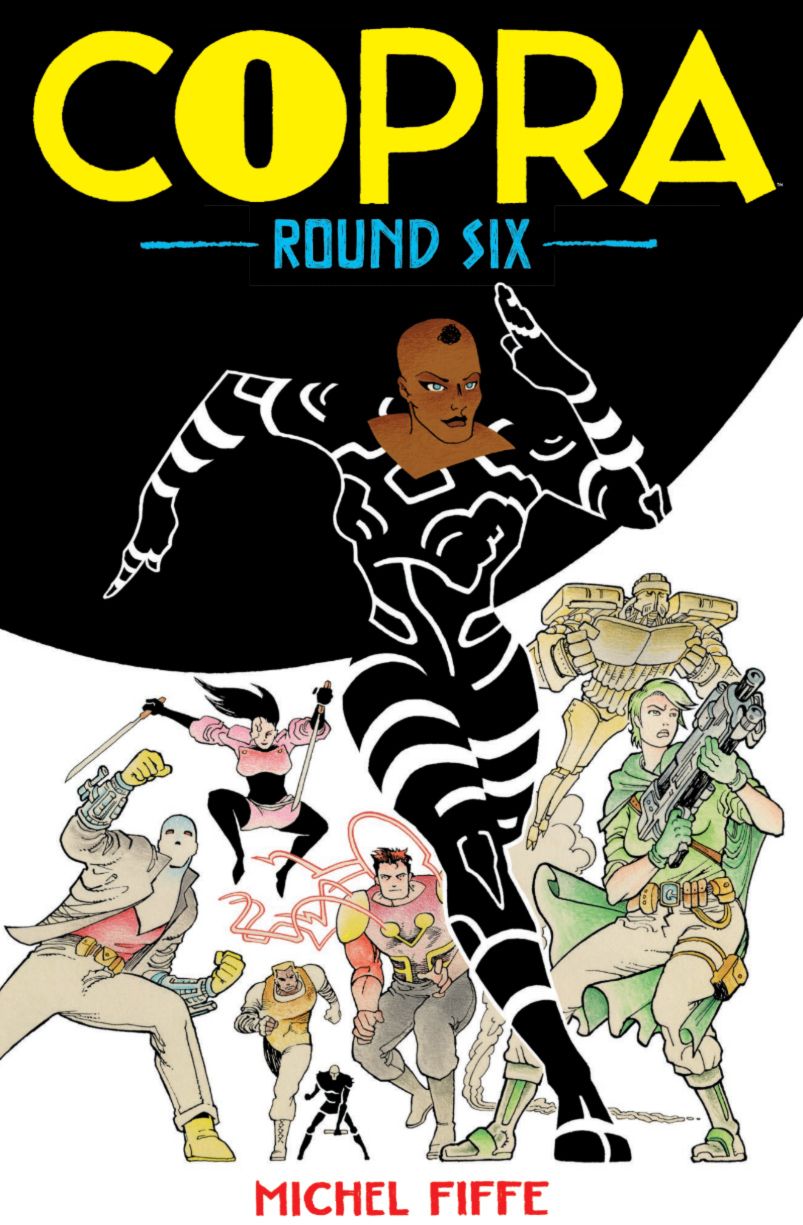
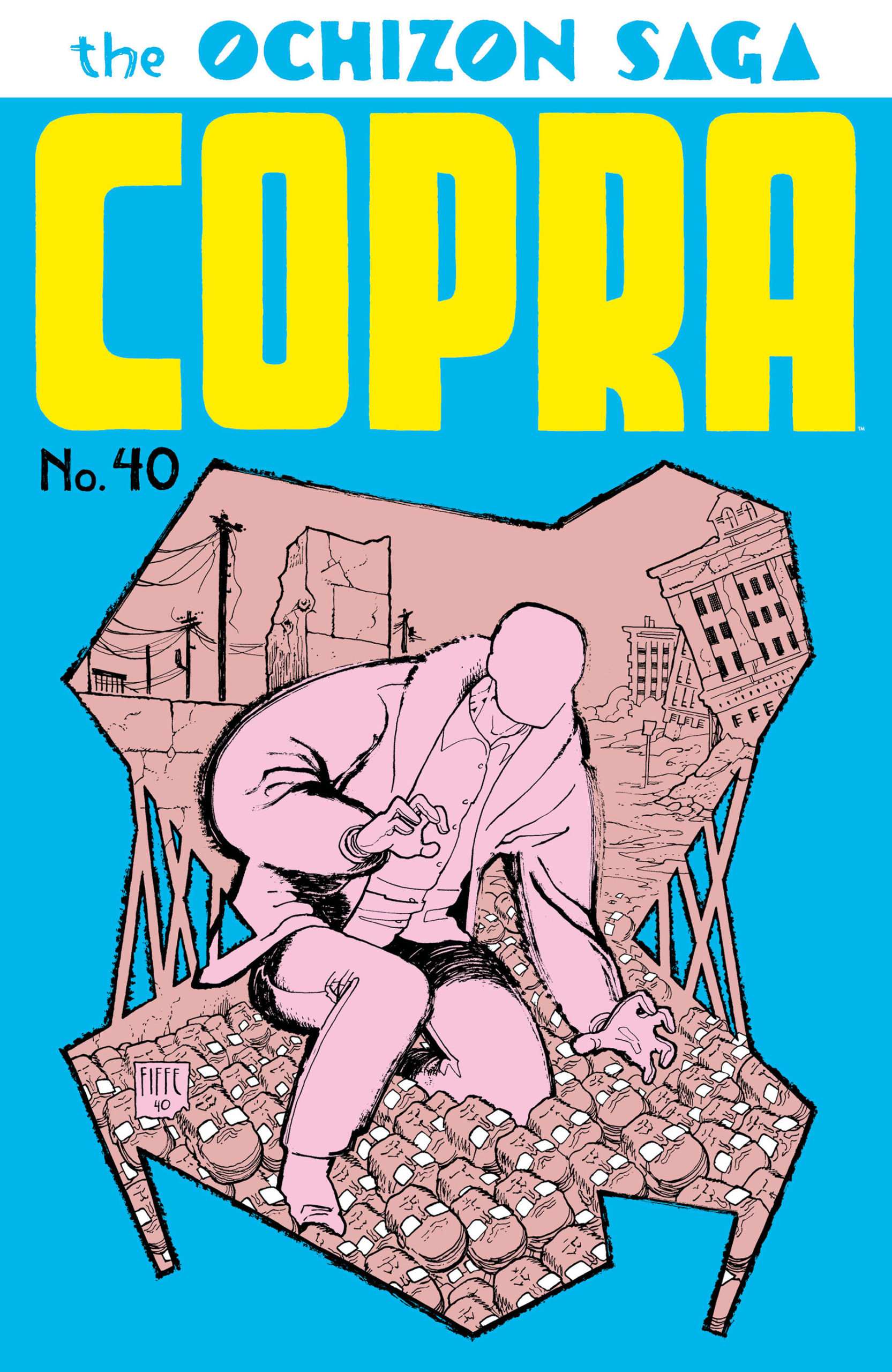
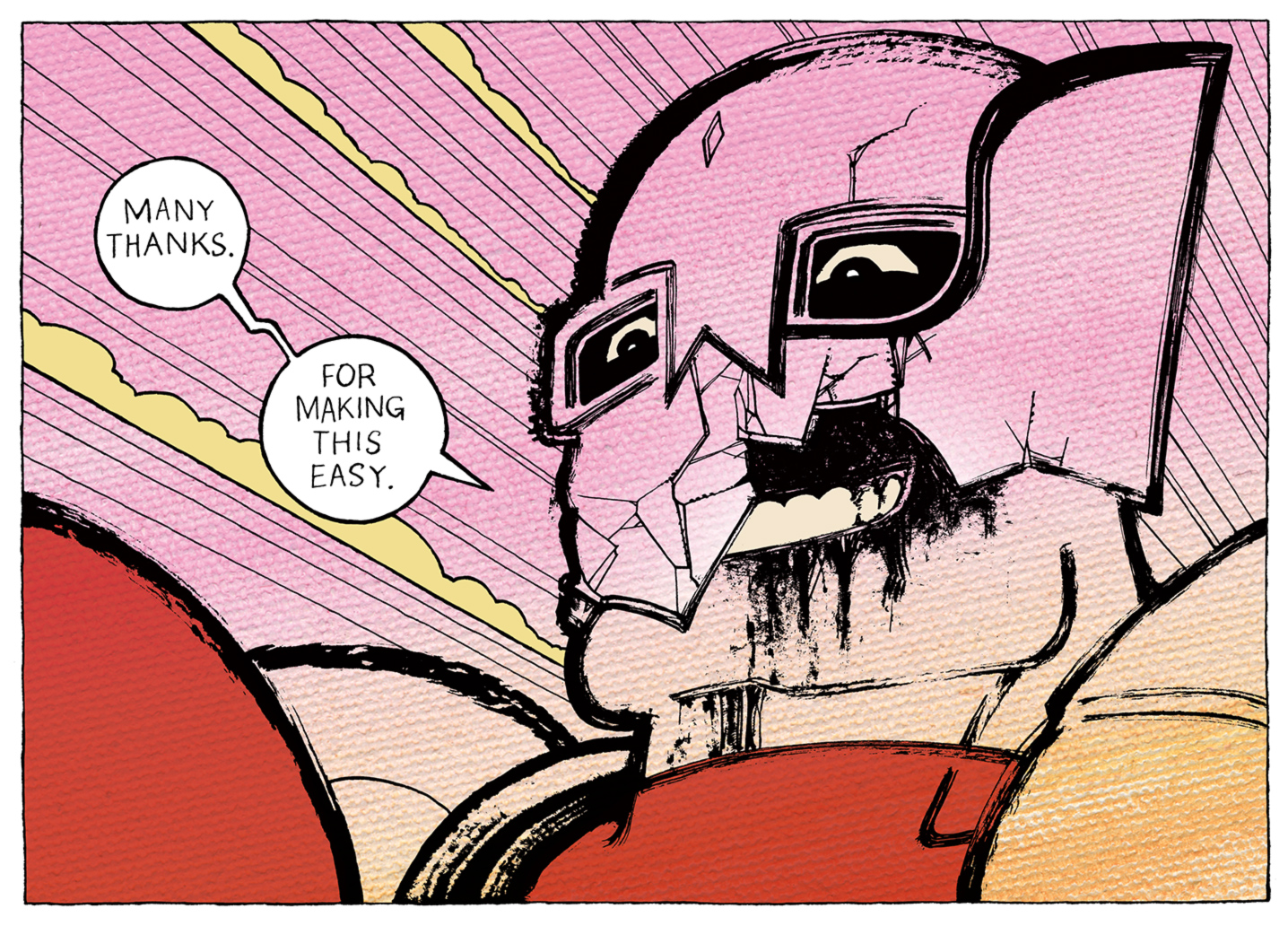
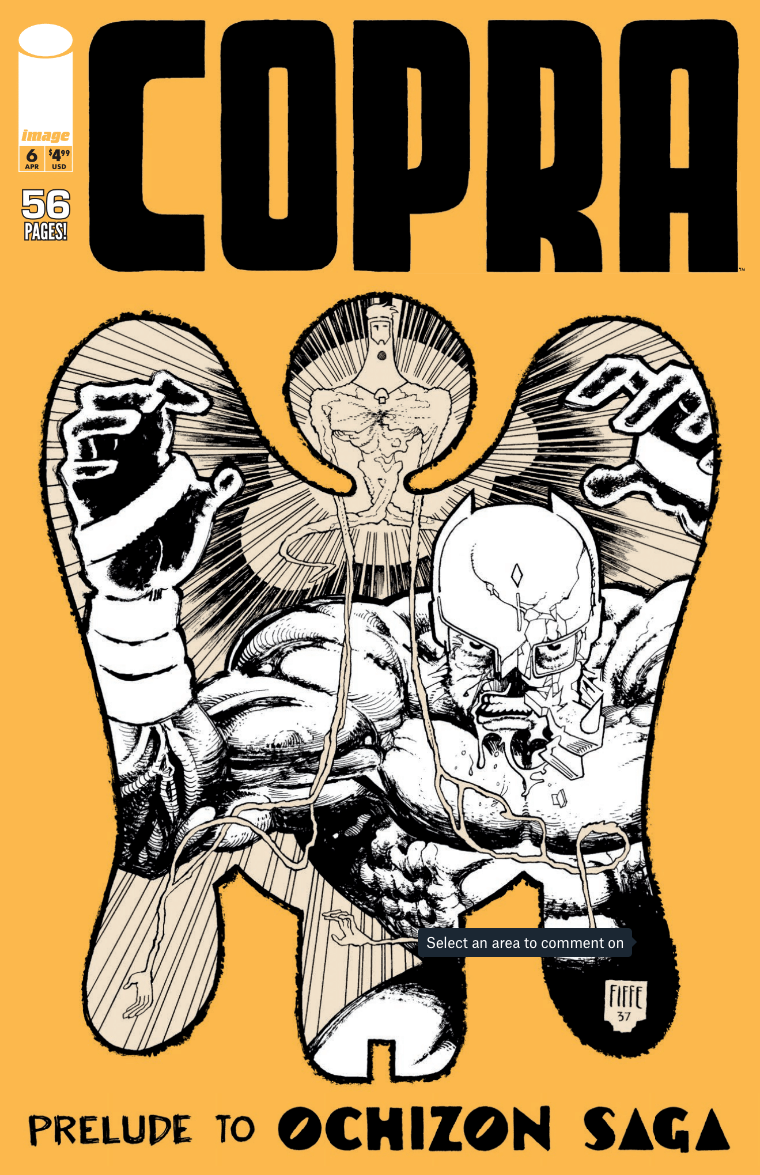
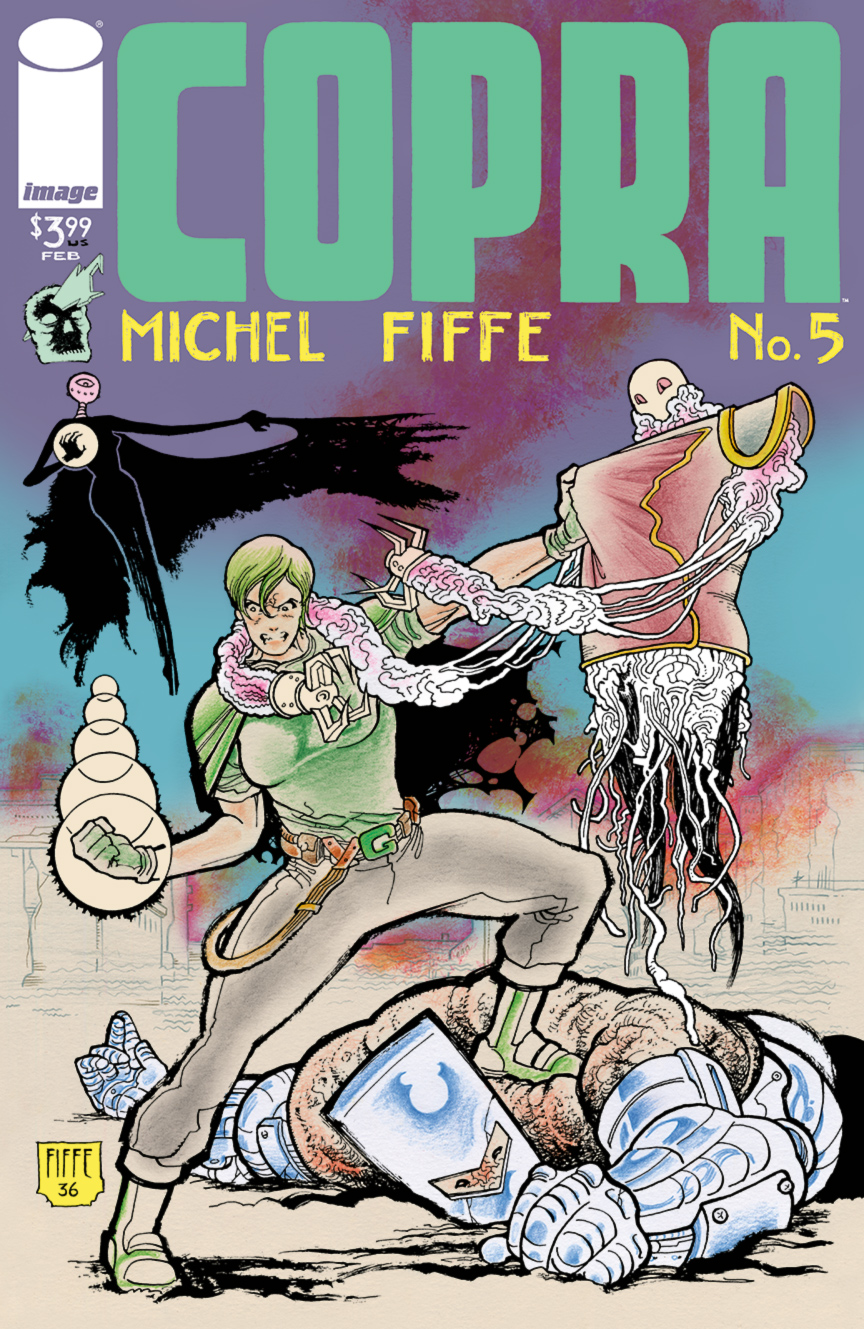
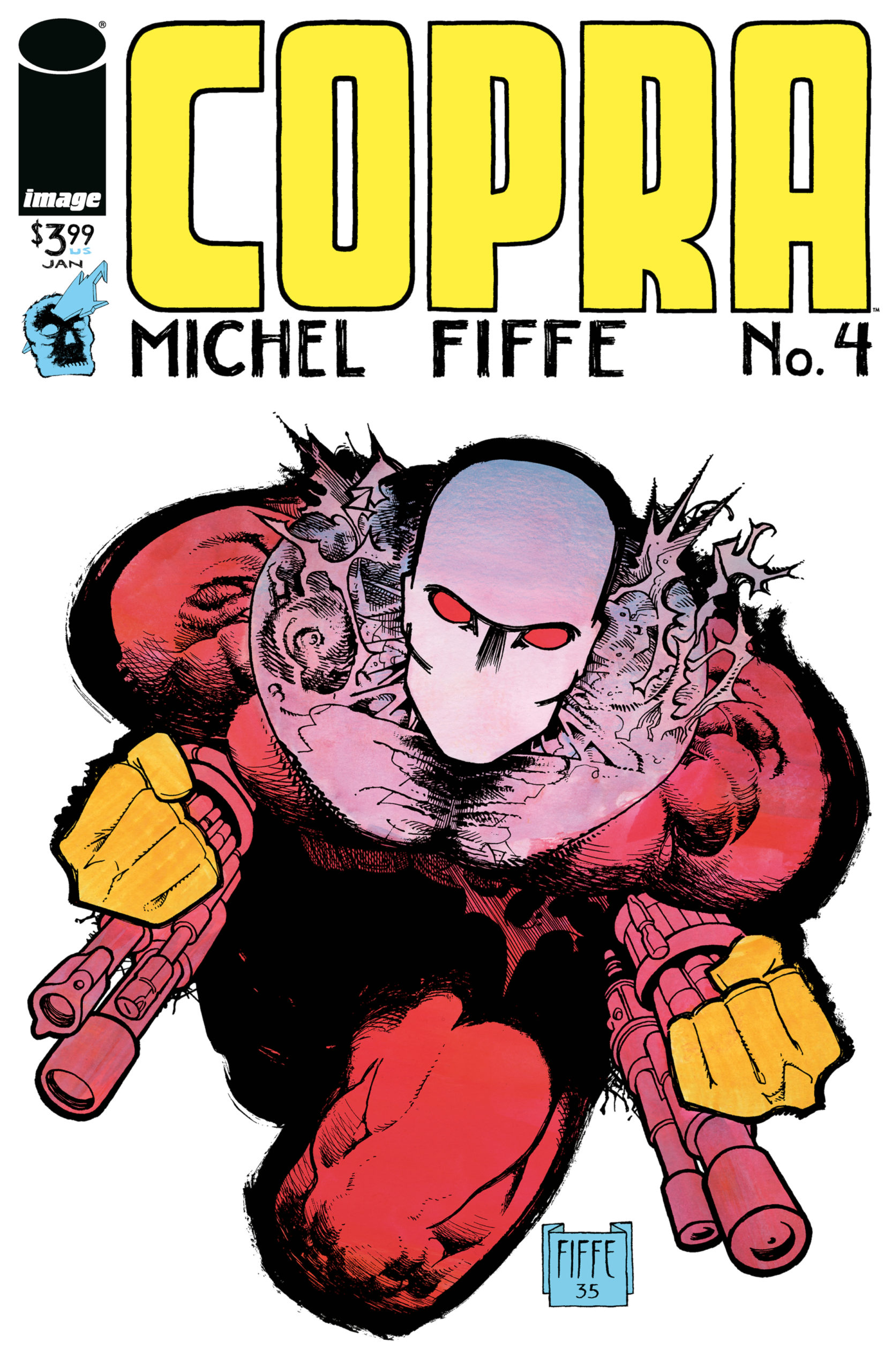
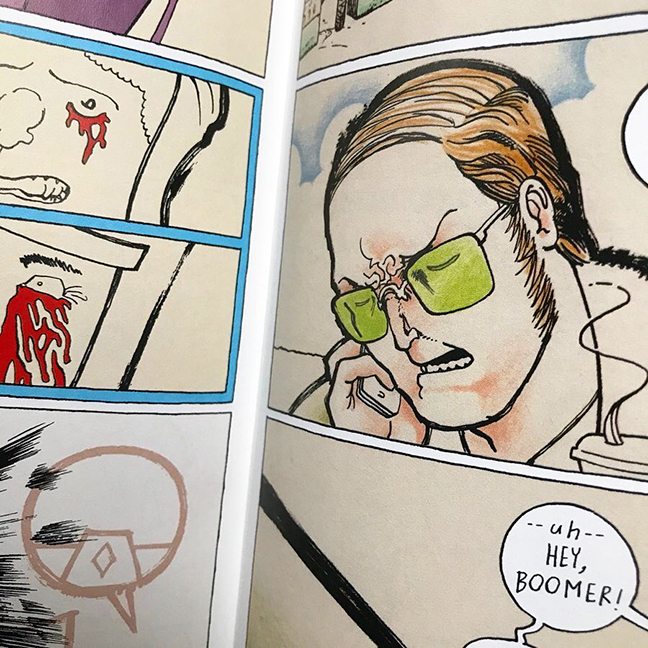
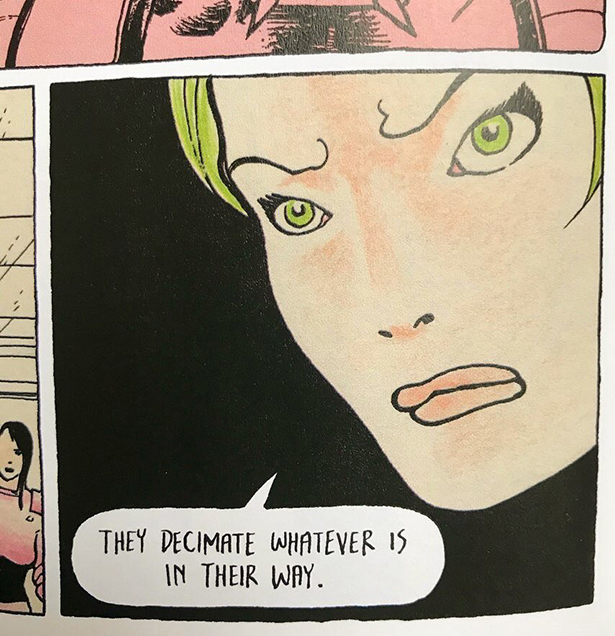
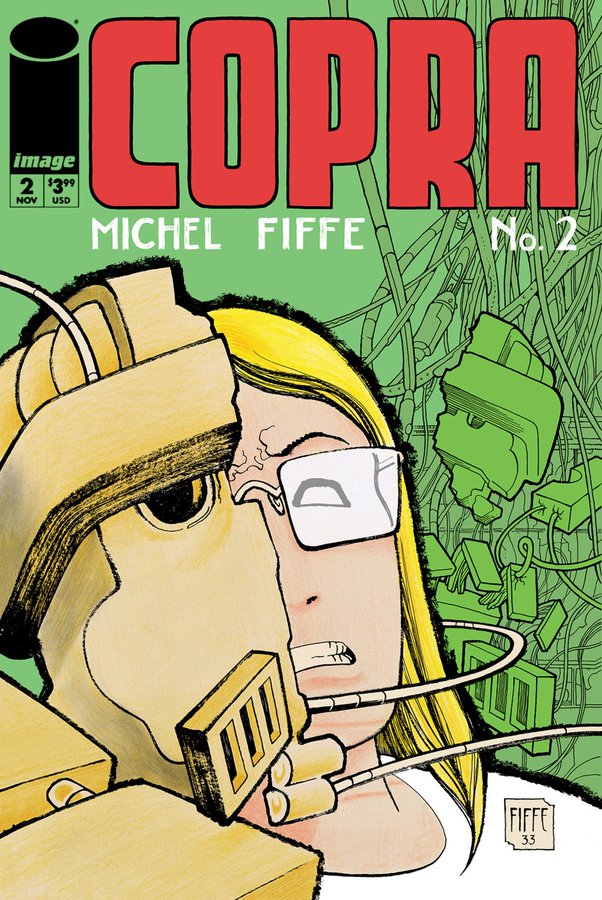
COPRA #2 is here and it’s ready to go! This time around, the cast grows, the plot thickens, and the action continues (catch up with #1 if you haven’t already). But before you check out the preview pages below, a few things:

- Overseas Readers! I’m closing in on getting some COPRA comics in some London shops. It may ultimately be a quarterly affair but whatever happens, you’ll be the first to know!

- Reviews and Links! This has been an awesome and supportive month for COPRA. Reader response has been nothing short of flattering, and it’s been gathering some amazing reviews from Comics AllianceThe Comics JournalThe Chemical BoxComics Book Resources, and Comics Bulletin.

- Conventions! I’ll have a table at the Locust Moon Festival this upcoming Sunday December 16th in Philadelphia. For details & directions, visit their blog or their FB page.

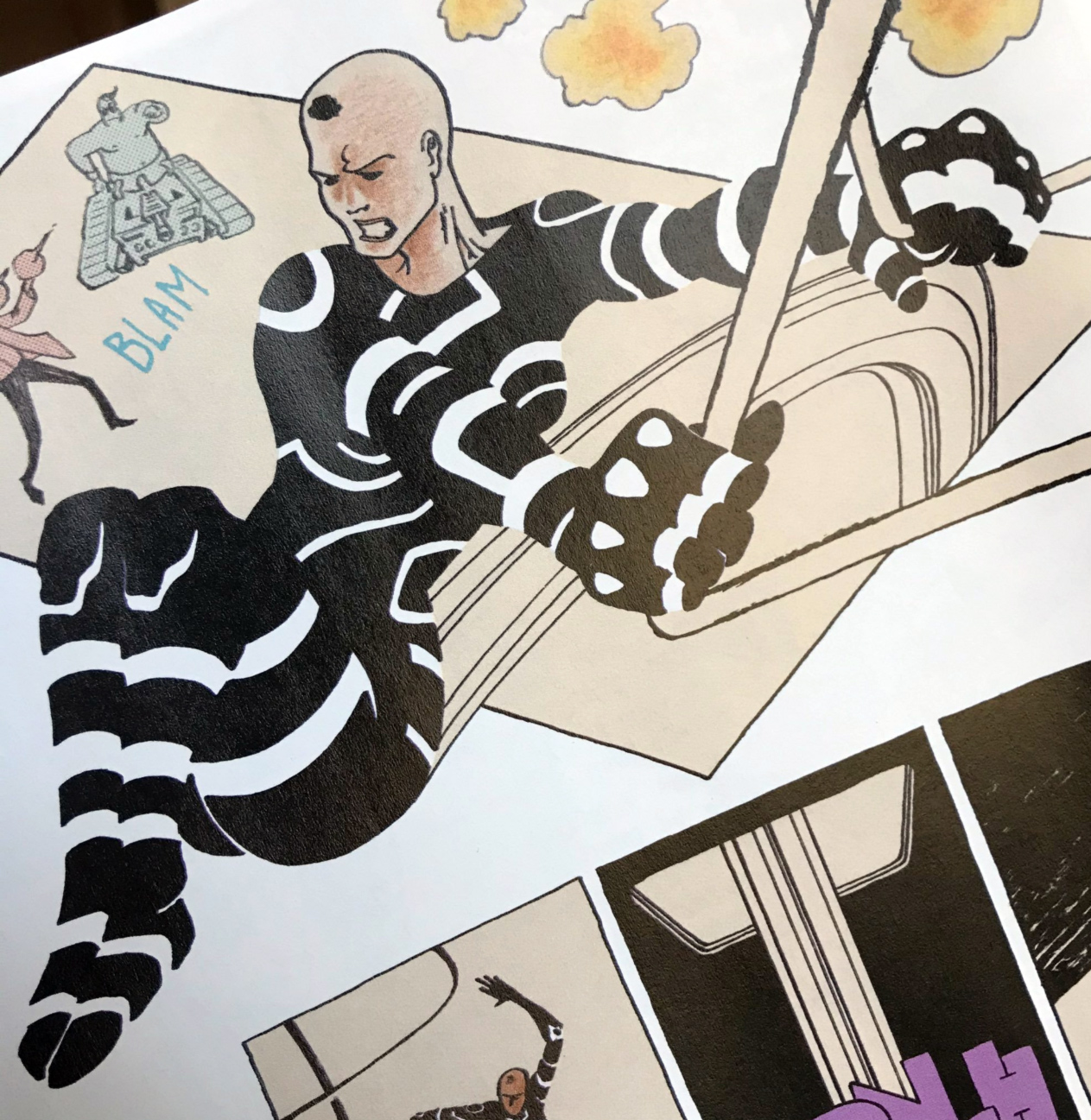
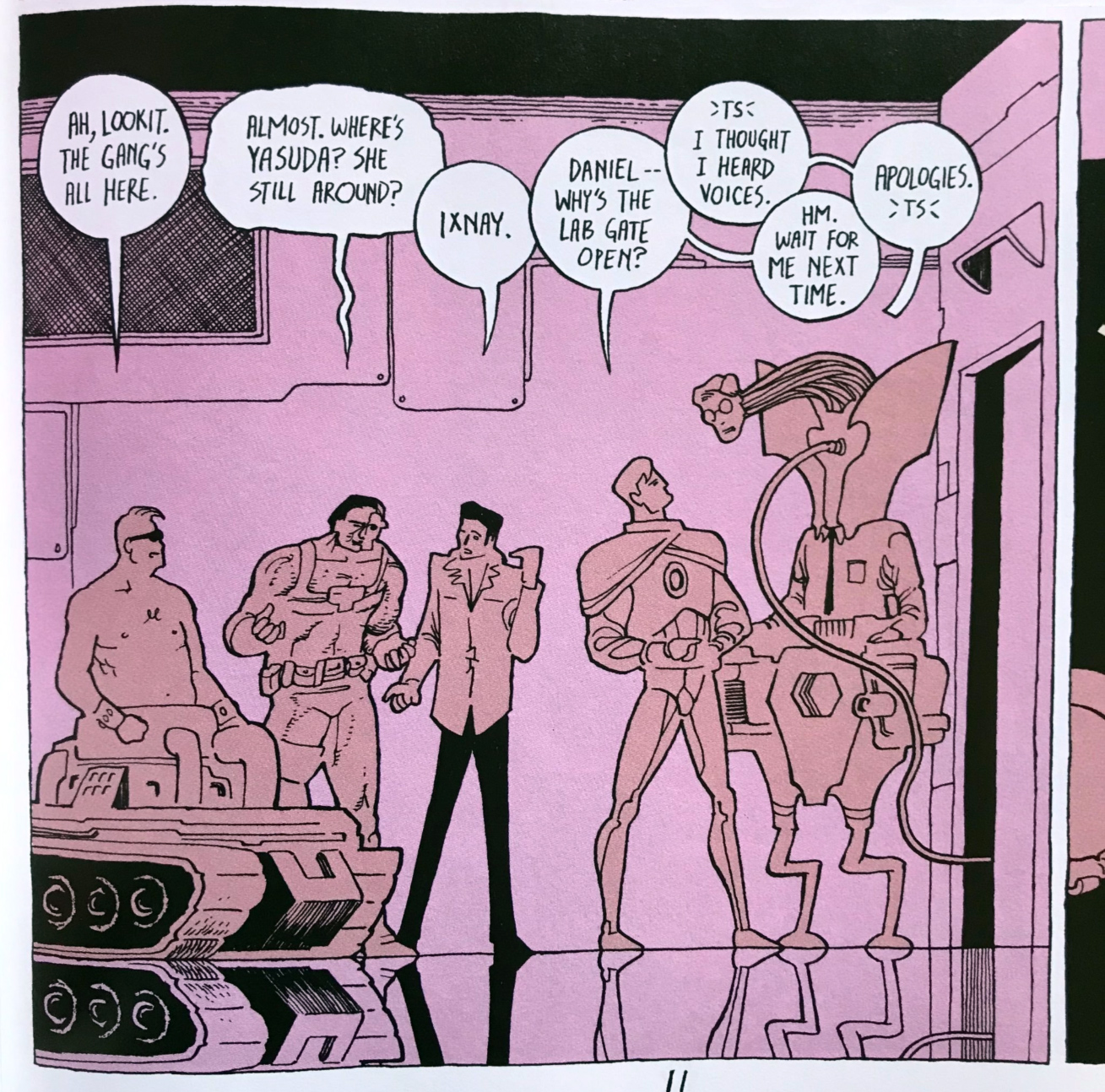
Enough yapping. Here are some pages…

There you have it! Second issue’s here and I’m just warming up. COPRA continues to be a 24 page, full color monthly comic, so stay tuned. I have tons more characters, stories and choreographed mayhem to employ. See you in thirty.


–Fiffe

2012
11.09

C O P R A # 1

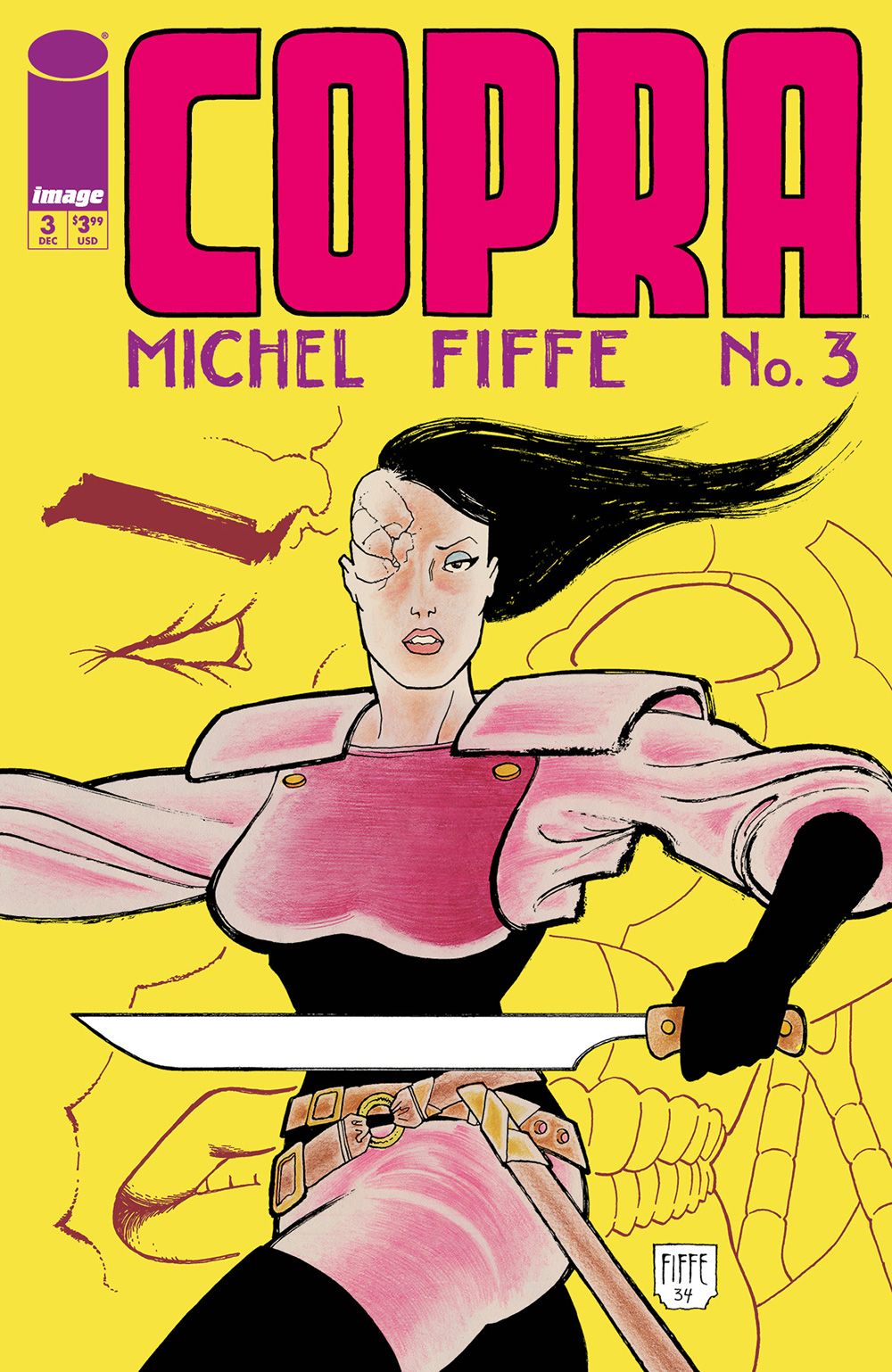
COPRA #1 is finally here and on sale!

This is my latest project, a new series featuring a slew of new characters I’ve written, drawn & published. COPRA is a 24 page, full color action comic – numbered and limited to 400 copies – that will be serialized monthly. That’s right, every month you’ll have a new issue of COPRA waiting for you.

Let’s see, how to best describe what COPRA actually is… Well, for starters, it’s the unholy marriage between my Zegas style and my Suicide Squad love letter Deathzone! 

Or you can click on the individual pages and see for yourself:

I am beyond excited for this. It’s a massive undertaking and so far it’s been nothing but a blast.

COPRA is making its official debut at the Brooklyn Comics and Graphics Festival this Saturday (table U36) , but you can still order it directly from me.

Pick it up and let me know what you think, then I’ll see you right back here next month!

–Fiffe

2012
11.04

COPRA #1 will make its debut at the Brooklyn Comics and Graphics Festival this Saturday, November 10 (noon-7p.m.). It’s my newest comic book, and we’ll be selling it upstairs next to the Jack Kirby Museum, so stop by  and check it out!

2012
11.01

Having returned from a weekend excursion at a huge, out of town comic book convention back in 2000, I discovered a letter in my mailbox from an esteemed creator who I never expected to hear back from after I blindly sent him a letter and some of my comics many months prior.

Steve Ditko, master cartoonist. I first saw his work in an issue of Daredevil that I got from a 3-pack at a supermarket as a child. From that story, here’s some classic Ditko tension & paranoia.

It wasn’t too long after that when I fell in love with Ditko’s art thanks to a mini comic reprint of Amazing Spider-Man #1. That time he inked himself, I noticed. His hand drawings were in full effect.

I loved that story. The action was so clear and the art was so rich. There was one panel in particular that blew my mind. It was a single image that had a compelling sense of space and dimension. It’s so simple, that elevator shot, and I think about to this day.

Years later a pal of mine was gifted some comics by a friend of the family. By “some comics” I mean a full run of Ditko’s Spider-Man issues (the Marvel Tales reprints). We read those things to death and it cemented my notion of Ditko’s greatness. Even the backstory of Ditko leaving the book due to a momentous creative disagreement with collaborator/editor Stan Lee (amongst other reasons) was gripping to me. “He ultimately quit. He wasn’t fired. He got to a point where he just refused.”, said Gil Kane. “From that point on, Ditko’s individualistic behavior became legendary. I mean, you couldn’t push him around. He did what he wanted to do.”

Fast forward to me, 20 years of age and trying to find my way as a cartoonist, sending out letters & comics to some of my biggest influences for some constructive feedback. Ditko was on the list, of course, but what were the chances of a response? I mailed my sealed letter to Ditko’s publisher Robin Snyder anyway, graciously requesting that he forward it to Ditko.

Months passed and I never really held my breath to begin with. I was familiar with Ditko’s no-nonsense attitude (and very familiar with his small press, political material), and I took the chance in writing a fan letter to someone who basically rejected fandom. It was a letter with serious questions about the craft and industry of comics, but it was a fan letter nonetheless. I was banking on him seeing that I could at least ink a straight line and apply Zip-A-Tone.

Respond he did. There I was, about to go to work after a long weekend, having just received a thick envelope from Steve Ditko. I remember not opening it up immediately, I wanted to savor the moment as long as I could but I quickly gave in. I opened the envelope to find four pages handwritten in pencil, addressing my questions in cursive. This was too much, I though, this could not possibly be real.  It was very much real, very much from Ditko yet not quite what I expected. Ditko’s words weren’t encouraging in the traditional sense. No compliments or pats on the back were to be found and not a word about the artwork itself. It was the thinking behind the artwork that concerned him: “You seem to have chosen the least attractive, the pessimistic, believing there really are no good men (which has to include you).” It was four pages him tying my industry concerns with what I chose to draw, and the moral decisions that led me to draw my comics in the first place.

The letter threw me off. I was suddenly caught in the middle of a heated debate that took place between four pieces of paper and myself.

After cooling off – meaning, after it finally sank in that Steve Ditko had written to me – I vowed to retaliate point by point. I would behave respectfully, of course. There was no need to act like a crybaby lunatic. I was firm in my conviction as an artist and Ditko… well, Ditko was wrong. My art didn’t hold forth values that had “negative views of man… putting him down rather than raising him up”. What, just because I had a character dry heaving into a toilet then turning into a cyber-gimp amputee? “It’s not an inspiring lesson or view.” he wrote. Well, what if I didn’t think that art’s purpose was solely to inspire? Yet I wondered why he thought that in the first place. What led him to develop such a specific view of art? Was there something I wasn’t seeing? What if he was right and I was too close to my work to notice something important? He had great points, of course, but I disagreed with him on fundamental issues.

I was late to work that day.

Ditko and I carried on a correspondence for the next few months. We mutually agreed to disagree. It was never smooth sailing, but I learned quite a lot and I got a little better at articulating my ideas with each passing letter.

I kept making comics.

Finally, my girlfriend and I were in the early stages to finally move from New Orleans to New York. The plan was that I would stay with a friend up in Brooklyn while scouting for an apartment and a job.

In my continued efforts to get some help on how to break into the business, I remembered that there was someone I knew living in New York City. He was my aforementioned pal’s family friend, the one who gave him the Ditko comics, whom I knew used to be the Tarzan comic strip writer of 15 years. It was Don Kraar, and he was more than willing to help me out with a few contacts. I discovered that he did indeed write comic books for a period, mainly Conan stories, on top of being an actor and a playwright. Thanks to Don, I spoke to Walt Simonson on the phone for a bit, Ernie Colón gave me great constructive criticism and Gray Morrow wrote me an eloquent, supportive letter. This was just what I needed before going to the big city with a suitcase and a portfolio.

Crashing on my buddy’s couch on McGuinness Boulevard in Brooklyn, I studied the classifieds like a fiend. I had to find a place to live as well as a job and time couldn’t be spared. I managed to meet up with Don Kraar early upon my arrival, though. We had dinner with Alan Weiss and his wife on the Upper East Side. There were lots of Marvel stories, lots of Neal Adams stories, life in comics then and now was explained to me from the inside out. Alan had seen my stuff and knew where I was coming from style-wise. Go for a little less Gilbert and a little more Jaime, he suggested.

Through Don I also met Sal Amendola who was kind enough to let me sit in on one of his classes at SVA. He went over my portfolio after class was dismissed, and I had tons of additional questions regarding DC editorial in the 70s and 80s. Sal gave me a few of his basic cartooning study sheets as well as the most detailed tutorials on perspective I’ve ever seen.

Don Kraar did the best he could and I appreciated every bit of it, he just wasn’t in the game anymore. He was too busy working on a book to exhaust every comics avenue for a kid off the bus (Don eventually moved out to California, but remains a supportive ally). I had no excuses, though, so I walked all over the city looking for work. I had a resume for retail grunt work, and I applied to every comic store listed in the phone book. More importantly, I had new comic samples in my portfolio. I walked over to Marvel on 23rd and Park Ave. I went up there and saw two huge glass doors with webs drawn on it. The receptionist said I couldn’t see an editor without an appointment. How do I get an appointment, I asked. Through an editor, she replied. Gone were the days of running into guys like Bill Mantlo in the Bullpen hallways and getting an inventory job.

I pushed forward, thinking that three years earlier I was scrambling to mail out some crude samples to the Big Two and now I was casually walking up to those companies. Breaking through was within my grasp. It was so close! I walked up to DC on Broadway, but I couldn’t get past the desk without proper clearance. Continuity Studios were more lax; they took my portfolio overnight for someone to look through it, presumably Neal Adams. I picked it up the next day; they weren’t interested. The receptionist (Neal’s wife?) was really nice. She’d seen this scenario a million times.

I walked around, running out of options. I wasn’t freaking out, but I felt strangely emboldened. It’s the kind of bravery that desperation can sometimes breed. Here’s my train of thought at the time: “Well, I’m up here in midtown Manhattan with my portfolio. Who else can I see? Wait a minute… doesn’t Ditko live around here? Let me see… ah, there’s his building. I should confirm that. Hm, that desk clerk seemed amused that I asked about a Mr. Ditko living here. Let me just go up the elevator to his door to make sure it is him and not some other S. Ditko. There it is. I’ll just leave a note on the back of one of my sample pages telling him I’m finally here in NY and would love to meet him soon. Shoot, I have no scotch tape. I’ll just slide it under his door. Actually, hey, why don’t I just knock?”

Steve Ditko opened the door and I introduced myself as the kid from New Orleans. His suspicious face lit up with recognition. After catching up a bit, I suggested we continue our discussion over coffee or something. He declined but threw in a “maybe someday” in there. He said those sort of bull sessions don’t lead to anything productive, they’re just exercises best kept in written form so as to thoroughly think out the idea therein. He said that in the same way that I’m doing it, he first came to the big city with a briefcase and a portfolio. I told him my basic plan and promised to send him my new comic once it was complete. I shook his hand and thanked him for his time and letters. I left the building in a daze.

What the hell was I thinking?

I know that was borderline creepy on my part. I know it now and I knew it then and I instantly regretted it. I’m playing the age card here because I was young and clueless and desperate to reach out to my hero whom I corresponded with. However, I’ve since discovered that dropping in on Steve Ditko unannounced is a pretty common practice. That does’t make me feel any better. I felt gross for having invaded someone’s privacy – there is zero excuse – but the fact that people do this as a sort of known event is even worse. I haven’t pulled that on Ditko since and I never will, but I suppose we’re all free to disrupt the man just to satiate our curiosity, or “just cuz”, as if he were a landmark attraction and not a person. Your heart can be in the right place, but with the vast information we have now, people can’t pretend they don’t know what Ditko’s feelings and thoughts are, or what his answer will be to whatever interview request is thrown his way. It’s not only rude, but it shows an utter lack of understanding of his wishes and ideas.

Ditko told me that meeting me wasn’t a bother at all (in response to an apologetic letter I sent him later that week). Still, I’ve kept it strictly on paper since, not quite following up on that maybe someday coffee.

Ditko drawing by Marcos Martin.

It was August 2000 and I found us a small apartment in Williamsburg, where the hallways of our building smelled like soup, a rat the size of a kitten got trapped in the bathroom wall and died, and I grew to appreciate modern Tex Mex music thanks to our loud neighbors. I was hired by St. Mark’s Comics where I learned many valuable things about comics retail, back issues, and drunk tourists buying Batman statues at 1 a.m. (we were open that late). I came across many gems working in that place, some having very little to do with Steve Ditko, and some that felt as if they were stapled by the man himself.

I still kept making comics.

And more comics.

I used to doodle a Mr.A inspired character and I called him Zegas. I made a one-pager (shown above) and I eventually wrote and drew an 8 page Zegas story but I shelved the entire concept shortly thereafter, feeling that everything needed a lot more work. The cast of Zegas ultimately returned under slightly different circumstances, but that Ditko undertone remains.

Steve Ditko and I kept our correspondence up throughout the years. He indulged my every question and responded with patience and kindness and not once did I take that for granted. I continue to write him, actually, but I’ve eased off on sending him my own comics. There’s no need, really… I’m not seeking validation and he’s not looking for new things to dislike. We both win. With shop talk, politics, art, and his recent comics, there’s plenty left tot talk about.

Image borrowed from Joe McCulloch’s incredible essay The Avenging Page (In Excelsis Ditko).

Today is Steve Ditko’s 85th birthday.

I’ve posted a good bunch of my favorite works of his before, specifically on this occasion, but I’ve never found the right opportunity go over my involvement with him as a default anti-mentor. His work, his stance, and the time he’s spent walking me through his philosophies while attending to mine, I am deeply indebted to all of those things. They will forever mean the world to me. Better training for a young cartoonist I cannot think of.

–Fiffe

2012
10.14

As documented in prior installments, I submitted superhero samples to the nation’s premiere comic book employers upon high school graduation and created my own material that was mercifully assessed by an indie comix maven upon moving out on my own. In short, I didn’t make the cut in either scenario, but I didn’t take “please give up” as an answer.

I cleared the deck and started fresh, making new comics with no real career-centric purpose. My girlfriend and I got out of Florida as quickly as possible and landed in New Orleans to try and save enough money for a New York City move. It was 1999, I was twenty years old and holding down two part time jobs while still working on comics, keeping my eye on the NYC prize.

In the meantime, I was putting together a comic full of utter randomness. I stayed true to that non-specific theme by randomly typing on the keyboard (ala), hence: Mimisqahfeuq. That, my friends, is how to properly come up with a punchy, lasting title.

Left to my own devices at the time, I was exercising the creative duty to “make the thing you want to see in the world”. I guess what I wanted to see was pretty damn impenetrable. It’s as if I took the previous rejection as an excuse to not learn from it. (Oh, you don’t like my comics? Well, here’s something to really not like!)

Honestly, I had fun working on this. I made a bunch of copies (15 or 30, I forget) and sold a few to a local comic shop. The rest I gave to friends or mailed to publishers. I knew it was pretty atypical, clunky stuff, so I wasn’t too surprised when I started receiving notices from Slave Labor and Fantagraphics alerting me that they were going to pass on this project.

No big deal. I continued to move forward. It was finally the year 2000 and our proposed NYC move date was sneaking up on us. I had to take a hard look at my comic book possibilities if I were to progress at all, or at least have something to show the big wigs in the city. I felt like I was regressing already, the rules of the game were getting murkier the more I read about the business, and I had to realize that not every single thing I did had to be monumental. Yet, I was eager to learn, eager to take a step back and really take stock of my options.

I wasn’t going to school for comic book study; I got accepted into SVA and the The Kubert School, but I couldn’t afford to go to either one. The local comic shops were staffed up, so no retail experience for me. I didn’t know any cartoonists, aspiring or otherwise. I wasn’t really sure what a message board was then, so I remained offline. The only thing left to do was go to a convention and try to talk to editors there. The MegaCon in Orlando was the next big con listed. I had 2 months to prepare some samples. Orlando also meant a ten-hour ride back to Florida.

City backdrops, check. Acrobatics, done, son. One page sequence that shows different camera angles, pedestrians and anatomy yet is inked and colored even though editors only want to see one skill set and in this case it would be penciling, you got it.

As I worked on samples for the con, it occurred to me to contact those creators I liked (at least the ones that had addresses made public). I had burning questions about the industry, the history of comics, psychological and aesthetic concerns.

I was floored when they all wrote back.

Chris Ware, Evan Dorkin, Mike Allred… to this day I am grateful for these guys taking time out of their insane schedules to write back to an aspiring, bumbling cartoonist with advice and encouragement. Dan Clowes, bless him, wrote back about my band’s cassette recordings even.

It truly was a special thing. To think that all the creators I admired were one postcard away and that they weren’t too busy to respond. That left a profound impression on me. I wanted to crack the code of what it meant to be a cartoonist, and this was more inspiring to me than any potential employment.

Yet, I put my own comics on hold as I worked on samples. I was cranking out pin ups and story pages alike. No fancy layouts, no weird collage stuff, no blocks of text trying to be deep, no indulgent meandering. You tell a story clearly, directly, you perform a function, you develop a skill, you earn your way into the business through hard work, keep your nose down, work, work, work.

I ended up trying to incorporate that page up there into my own comic later on, which is why that’s not really Mike Mignola’s Lobster Johnson in the first panel. I like “street level” characters, especially ones who were basically nods to the old school. Alan Moore and Rick Veitch’s Greyshirt was perfect.

Before I knew it, March 31st arrived and I was on the con floor in Orlando, brand new portfolio in hand, sleep deprived but feeling confident. MegaCon was my first con and I was there for business. People, so many people, so many fans. I wondered if those people even liked the same things I did. Did they even like comic books? I didn’t think about it too much. I had a mission: talk to editors.

First up, Mike Carlin reviewing portfolios at the DC booth. Nice enough, smooth sailing critique. My style needed more work, Carlin said, as it was already too off-model and I’d have a better shot at Veritgo (but there were no Vertigo editors there). He said my Daredevil looked like he was taking a dump in that first panel. Burn!

No Marvel editors in sight which I thought was weird. I went to a booth in the “small press” area. The publisher’s name escapes me, but they were some low grade Lady Death rip off company. I was desperate to get feedback, so who was I to judge? They were straight with me: boobs and blood sell and no one cares about anything else and I should keep that in mind if I want to pay the bills doing comics. Then I went into Artists Alley, right to Dick Giordano’s table because even though I knew he wasn’t an active editor, he had a history of working with many of my favorite artists such as Ditko, Miller & Aparo. If anyone there would’ve appreciated good, solid storytelling without boobs and blood, if anyone knew the difference between moodily crouching over a city and taking a dump, it would’ve been Dick Giordano.

He ripped me a new one. He didn’t think I could draw very well, but said I had a decent sense of movement. He would flip through pages while looking away, like it was the last thing he wanted to do. I don’t blame him – portfolio reviews are a soul sucking task – but at the same time, that wasn’t what I drove ten hours for. He said he couldn’t help me anyway because he no longer edited. “Go to Mike Carlin, tell him I sent you. Tell him it’s revenge.” Ooof.

Chris Warner reviewed my stuff at the Dark Horse booth. His advice was to forget drawing superheroes because not only was I not good at it, but it was fiercely competitive, thus, I shouldn’t even waste my time on it. He suggested I just concentrate on working on defining my own voice, my own stories, and to not be a work-for-hire cookie cutter shill. Through his sobering advice, I felt as if though some sort of veil had been lifted. Something I thought I knew: cultivate your own voice. I had always wanted to have my cake and eat it, too. I wanted to be the hired gun for a living while working on whatever I wanted on the side. That was a pretty simplistic way of seeing things, but honestly, it’s a point of view I occasionally snap back into. Bad habits die slowly.

I walked around a bit more. Only a couple of hours in and I was done with MegaCon. I wanted to salvage my weekend so we drove to a pal’s house in a nearby town and had a blast. It involved 0% comics.

The drive back to New Orleans was tough. Tired, dispirited, and… well, you know the drill. We all deal with rejection in its many forms. There’s no clean, neat ending to it, no permanent reward. We take it, deal with it, and move on. We get older and develop thicker skin, but these mild body blows were devastating back then.

It wasn’t all that bad in general. Making comics, as insane as I got about them, was one of life’s pleasures. Those New Orleans days are marked by my diligence to the craft of comics rather than blacking out in the sea of flesh known as Mardi Gras. Keep your nose down, work, work, work.

We got home late that Sunday and I crashed immediately. Before going to work the next day, I checked if we got any mail during the weekend. I wasn’t expecting anything, really. I heard back from every publisher and creator I contacted. Well, there were a couple of creators I had written to but they were long shots. There was no point in expecting anything from one cartoonist in particular, but it was that one that shocked me out of my post-con blues.

There it was, in my mailbox, in cold, hard unflinching reality, as certain as the name itself:

–Fiffe

Next: Respect the rational.

2012
10.03

Zegas #1 was listed as a notable in the Best American Comics 2012! The book series is edited by Jessica Abel and Matt Madden with a rotating slot for guest editor every year. This time around, Françoise Mouly did the honors. I’m in fine company, and it’s quite the honor.

2012
09.27

That there’s the image for the new podcast in town, Travis Bickle on the Riviera, with hosts Tucker Stone and Sean Witzke. It’s about movies, cinema, film, actors, actresses, directors, Hollywood… you name it, it’s on there.

Check it out on iTunes or at The Factual Opinion.

2012
09.18

It’s not uncommon to find me going through podcast after podcast these days. If it has a person with recording capabilities and they’ve pressed record, I’m your man. If you emit sounds and then you file those sounds under “opinions”, then go ahead and slap a clever title on it; I’m probably the right guy for you. Comics, music, comedy, whatever, I’ll take it. But there’s one that rules them all. The one to beat is Gelmania.

“You ain’t worth nothing but the money in your pocket and the articles written about you. That’s where it starts and that’s where it stops. Don’t think for a second that you are like me… [I'm an artist].” - Hustle, Brett Gelman

My main source for this stuff is Earwolf: How Did This Get Made?, Who Carted?, Improv4Humans, Comedy Bang Bang… they’ve all provided hundreds of hours of enjoyment.

You know who else makes with the podcasts? Tucker Stone*. He’s knee deep in it and loving it. I mentioned to Tucker how pathetic I felt when I recently read a couple of 70s horror comic books and immediately felt the need to post about it, a hunger to document and expose this totally quiet and tiny moment of genuine pleasure and make a– a thing about it. As if I had to validate my sense of place in the world by appropriating some crappy little images and pumping them into an empty, fleeting beat in time, simultaneously failing to absorb true value and reflecting cultural emptiness.

House of Mystery #245, September, 1976. There’s a story called A Talent For Murder in there. David V. Reed was hacking it out under the name Coram Nobis, but artist Leopoldo Duranona is the clear winner on this one. Wait, the art is better than the writing? In a comic book? WHAT… a fucking shocker.

There was another story in that issue that took two writers (one of them a lawyer), but  it was drawn by Alex Niño, which automatically catapults it to greatness.

Haunted #31, January, 1977. I do indeed like the late Tom Sutton. So much so that I clipped an interesting bit of history from his TCJ interview. His Planet of the Apes spread is a classic, an unbelievable effort, and I loved his short story in a Daredevil annual. But I really like the slapped together experiments he used to write and draw for Charlton. Check this page out… it’s like a Trevor Von Eeden pages trying to do 70s Toth, except it’s between the two. I’m a fan of low budget risk taking in comics.

Oh, you, too? You also like the the more unique low budget attempts in comics? Well, I recently hosted Dennis Fujitake Week, where I wrote a few brief notes and scanned a whole lot of material featuring this amazing, underrated fanzine-artist-turned pro. Like I mention in one of the posts, I’m so taken by this late 70s era of comic book fandom (which Fujitake fully represents, I think), and I know it’s borderline obnoxious to dwell on the past in that fetishistic way, a past I was clearly not a part of, but I can’t help notice the visceral excitement on these smelly pieces of newsprint. That shit just looked more fun than anything.

Enough about comics. Here’s another obsession: Ferrante and Teicher’s Denizens of the Deep album, which is the only music on repeat around here. I thought it’d be easier to find any clips of this rare album online, so I’ve put up a couple of examples:

Underwater Reflections

Manatees And Dolphins

I did find this video which shows the duo masterfully playing and manipulating their pianos to achieve those specific sounds. Ferrante and Teicher are mostly known as schmaltzy lounge composers, but there was a brief period of groundbreaking brilliance that cannot be shared enough.

Ah, music. Music! I’ve been fantasizing about playing drums in a band again. I have a very specific sound that I want to help make, though, something out of a TJ Hooker scene change, dirty but full of chops. I want to make music that will make me wish I was back in 1980 NYC getting blown somewhere in Time Square. A mid-life crisis can wait, I want this now. Or at least until I finish writing and drawing some comic books.

–Fiffe

*Be sure to check out my upcoming podcast with Tucker called Truth Telling In Mark Making. Catch it!

2012
08.15

… but I’ve been writing less and less about comics recently, a slightly deliberate position mostly due to time spent making them. I’m left with very little time to work on that massive Tim Gula or Chris Wozniak retrospective that I’d write in a heartbeat.

I still do like looking at things – I’m only human – and so I’ve been slowly cataloging art and artists via my Tumblr.


That was Tim Hamilton, Klaus Janson, Alberto Breccia and Alex Niño… a few of the favorite pieces I’ve posted, and the perfect excuses to get back to work.

More writings and drawings soon!

–Fiffe

2012
07.03


Here’s a recent Doctor Strange drawing I made specifically for a brand spanking new blog: the Official Handbook of the Marvel Universe Reduxe Edition and it’s dedicated to the title of the same name. From the crew that brought us Relaunched, a diverse bunch of cartoonists aim to present their versions of the original profiles. Mark Gruenwald would be proud.

Doctor Stange was created and designed by Steve Ditko and the original drawing that mine was loosely based off of was pencilled by Paul Smith.

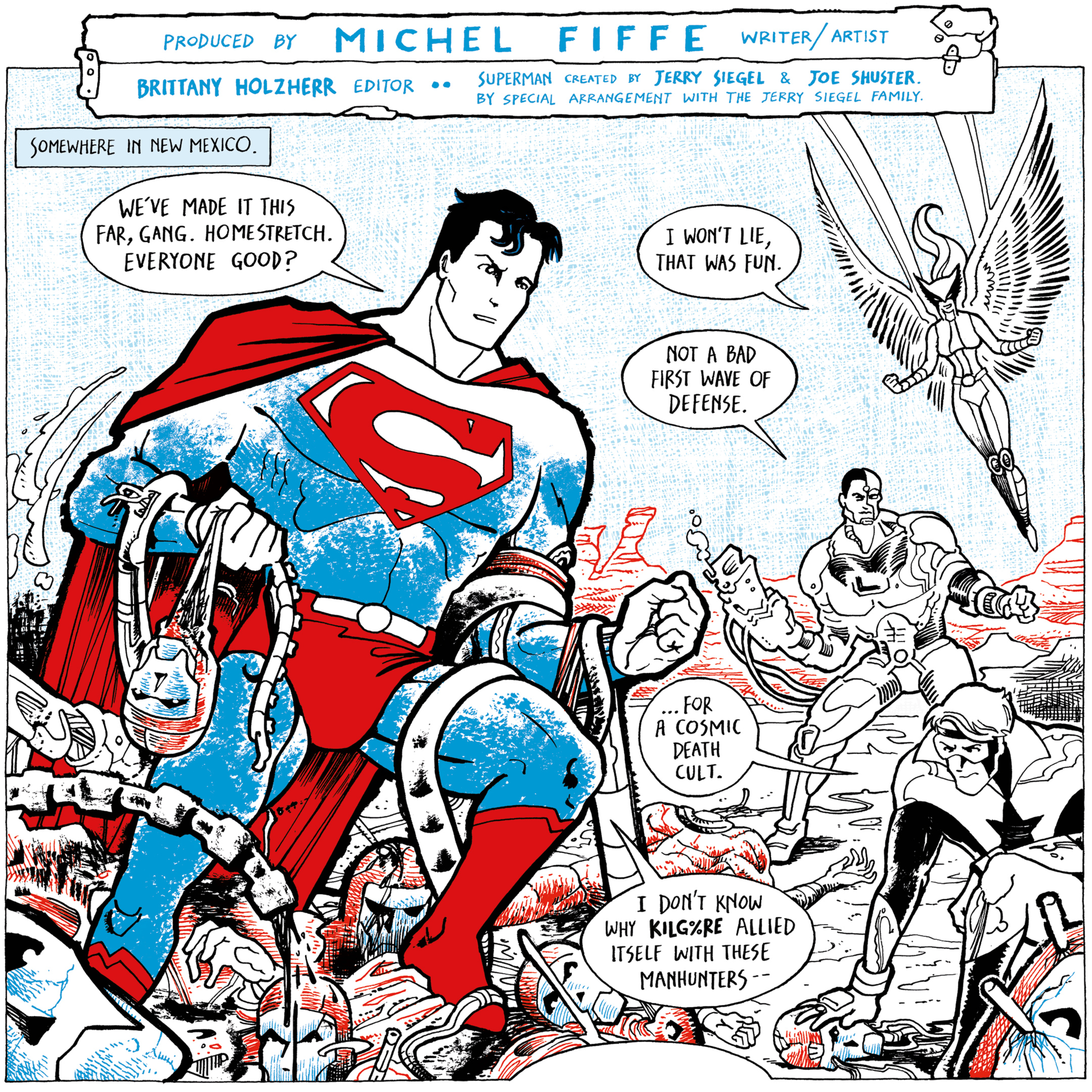
In other news, I was recently interviewed by Martyn Pedler over at Booklsut in regards to my bootleg/love letter/fan fic Suicide Squad comic [see previous post for details]. It’s a brief piece, underpinned by Pedler’s own frustrations with ethical negotiation when reading modern mainstream comics. Read it, it’s interesting.

Oh, yeah, and here’s  a Squad related sketch I did for Zack Smith at this past Heroes Con.

–Fiffe